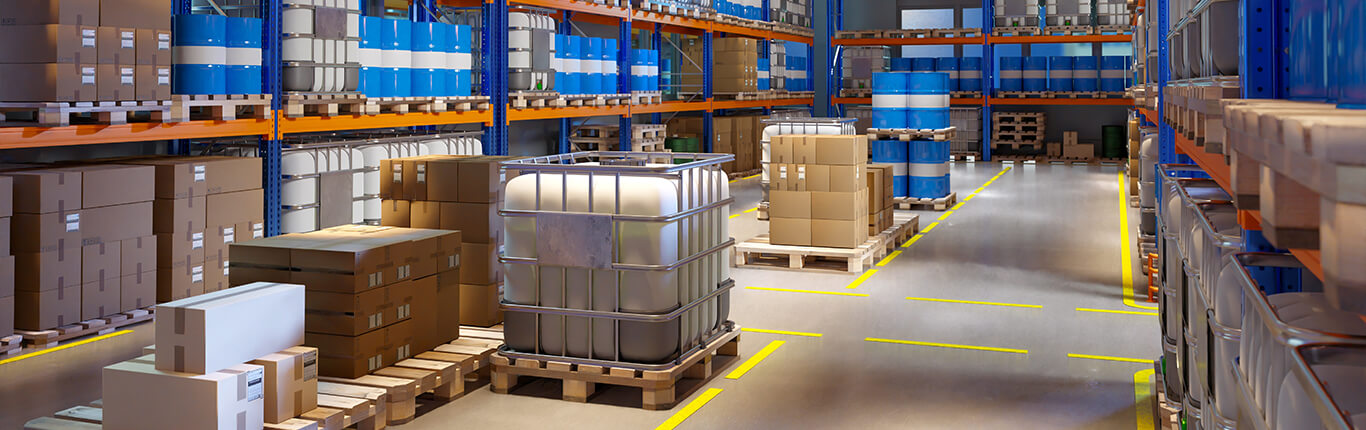
Walk through any well-run plant, whether a dairy, a pharma unit, or a packaging floor, and you’ll notice one thing right away: the space feels clean. Not just tidy, but truly clean. No cracks in the floor. No buildup around drains. No flaking paint near processing lines. That sense of hygiene doesn’t come from routine sweeping; it comes from the coatings beneath your feet and on your walls.
In places where contamination risks are high, coatings are not cosmetic. They’re functional tools that help maintain hygiene, safety, and compliance, all day, every day. The role of coating in a workplace like that is to make the environment easier to clean, safer to operate, and simpler to audit.
Why Hygiene-Focused Coatings Are Essential
Concrete on its own is porous. Over time, it absorbs liquids, traps dust, and develops hairline cracks where bacteria can thrive. Tiles aren’t much better; the grout becomes a perfect hiding place for dirt and mould. Once that happens, no amount of mopping really solves the problem.
That’s why industries now use hygienic coatings, seamless, non-porous surfaces that leave no room for buildup. These coatings make cleaning faster and more effective, and because they resist chemicals and abrasion, they stay that way for years.
For facilities under HACCP, GMP, or ISO inspections, that’s the difference between being “clean enough” and actually compliant.
What the Right Coating Does
1. Seals Out Contaminants
A smooth, pore-free surface keeps out moisture, oil, and microbes. Nothing seeps in; everything wipes away easily.
2. Handles Heavy Cleaning
Food and pharma plants often use hot water, steam, or disinfectants several times a day. A quality coating won’t blister, fade, or soften under that routine.
3. Prevents Microbial Growth
Some systems, such as Dr Cipy’s EPU and PU coatings, include anti-bacterial additives that stop microbes from multiplying even when spills happen.
4. Resists Impact and Wear
Forklifts, pallets, dropped tools, and industrial floors take a beating. Durable hygienic coatings hold their shape and gloss despite the traffic.
5. Keeps Compliance Simple
With the right coating system in place, audits are easier. Surfaces meet hygiene standards, and maintenance logs stay short.
Industries That Depend on Hygienic Coatings
The demand isn’t limited to one sector. You’ll find these systems across:
- Food and Beverage Manufacturing – to avoid complications with cross-contamination issues and keep up with hygiene codes.
- Pharmaceutical and Biotech – to maintain a sterile environment.
- Hospitals and Healthcare Facilities – for infection control and disinfection.
- Cosmetics and Personal Care Plants – where product quality is highly dependent on clean surfaces.
- Cold Storage and Dairy Units – for consistent temperatures and moisture control.
Each has unique cleaning and temperature conditions, but all rely on coatings that last.
Matching Coatings to the Environment
| Application Area | Recommended System | Why It Works |
| Food processing & kitchens | Polyurethane or EPU | Chemical-resistant, smooth, easy to sanitise |
| Pharmaceutical cleanrooms | Epoxy self-levelling | Seamless, dust-free, easy to maintain |
| Hospitals & labs | PU concrete | Resists impact, heat, and cleaning agents |
| Cold storage facilities | Cementitious urethane | Handles thermal shock and moisture |
| Manufacturing & packaging zones | Epoxy or EPU hybrid | Long life, slip resistance, aesthetic finish |
These systems cover the range of hygiene and durability needs across industries, all part of Dr Cipy’s coating portfolio, refined through years of on-site experience.
Dr Cipy’s Experience in Hygienic Coatings
Dr Cipy has been part of India’s industrial flooring landscape for decades. Their formulations, epoxy, EPU, PU concrete, and cementitious urethane, are engineered for places where hygiene cannot fail. Every project combines lab-tested chemistry with field understanding: surface preparation, temperature variations, cleaning cycles, and traffic patterns all factor into the final system.
Clients choose Dr Cipy because the coatings don’t just look clean on day one, they stay clean after years of wear. From food plants to pharmaceutical cleanrooms, their systems consistently meet hygiene, safety, and audit standards.
Conclusion
Hygiene doesn’t happen by accident. It’s designed into the space, layer by layer, and coatings form the most important one. It helps eliminate contamination, provides an easier way to maintain cleanliness, and offers long-term solutions for meeting compliance requirements.
Dr Cipy’s range of hygienic and durable coatings gives every industry, from food to healthcare, a reliable surface that supports safety and efficiency.
If your facility needs floors or walls that meet strict hygiene standards and stay that way, talk to Dr Cipy’s technical team. They’ll help you choose a system that fits your process and your regulatory requirements.
Visit Dr Cipy to explore the complete range.
FAQs
Because they seal porous surfaces, stop microbial growth, and make cleaning easier — essential for keeping production areas safe.
Food processing, pharma, healthcare, cosmetics, and cold storage sectors rely on them to maintain cleanliness and compliance.
Yes. Dr Cipy’s epoxy, PU, and EPU systems meet international hygiene and safety benchmarks, including GMP, HACCP, and ISO requirements.
Epoxy, polyurethane, EPU hybrids, PU concrete, and cementitious urethane coatings, all designed to be seamless, durable, and easy to sanitise.