
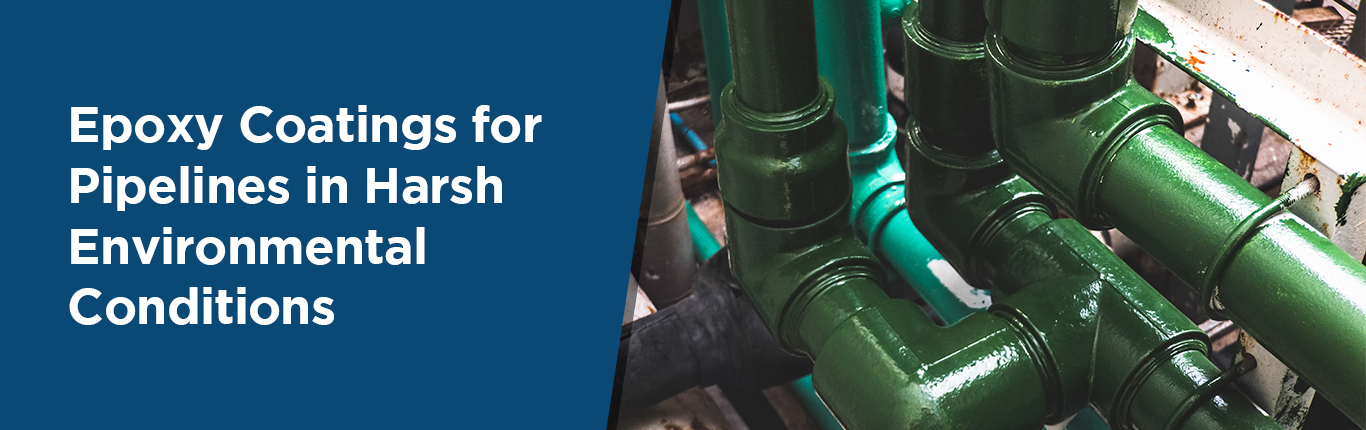
Pipelines face continuous threats, corrosion, moisture, temperature fluctuations, and extreme pressure, and so maintaining their integrity is challenging. Epoxy coatings on pipes provide a layer of protection. It is a protective coating while at the same time providing a frontline defense to keep pipelines operational and safe, whether they’re buried underground or cutting through the seabed.
What is an Epoxy Coating in Pipeline Protection?
An epoxy pipeline coating is fundamentally a resin and hardener-based system that produces a hard, chemically resistant shell over the steel pipes. There are multiple industrial-grade types; one example is a fusion-bonded epoxy (FBE).
A fusion-bonded epoxy coating is a process in which the epoxy powder is applied to heated pipe surfaces, chemically bonding to a hard thermoset layer that cannot peel away or break down, just the type of protection a pipeline needs.
How Does an Epoxy Coating Protect Against Corrosion?
Here’s the thing: Corrosion degrades steel, which in turn causes leaks, resulting in structural damage. Epoxy coating fights against moisture and oxygen, which are the two main culprits that cause corrosion in the first place.
FBE is made such that there are microscopic pores that will seal tightly with complete chemical cross-linking. In other words, moisture cannot penetrate through the cure to start oxidation of the underlying steel.
Why Choose Epoxy Coating for Pipes?
1. Durability and Chemical Resistance
Once cured, an epoxy coating becomes a tough, inert layer. It doesn’t soften with heat, deteriorate from sunlight, or break down under chemical attack. Whether the pipeline is exposed to saltwater, industrial solvents, or fluctuating temperatures, the epoxy holds up.
2. Adaptable Application
You can use epoxy coatings on newly manufactured pipes or spray them on existing ones. FBE pipes are often coated in the factory, but you can also apply liquid epoxy in the field, especially useful for repairs, girth welds, or branching joints. That versatility makes epoxy pipeline coating a smart option for diverse infrastructure projects.
3. Cost-Effective in the Long Run
Yes, epoxy coating may increase upfront costs. But what this really means is dramatically extended service life, often decades, and significantly lower maintenance expenses. With corrosion rates minimized and fewer pipeline failures, both downtime and repair costs drop.
Are Epoxy Coatings Suitable for Both Underground and Underwater Pipelines?
Absolutely. Epoxy coatings are designed specifically for those harsh, moisture-heavy environments. Underground pipelines are constantly exposed to soil and groundwater, while underwater pipelines face saltwater, pressure variations, and marine organisms. Either way, the low permeability and robust bonding of FBE epoxy mean the pipe’s steel stays dry and sealed, no matter what’s outside.
Application: New or Existing Pipes?
- New pipes: Most factory-equipped pipelines receive an epoxy coating via FBE, ensuring full coverage and efficiency.
- Existing pipelines: Technicians can prepare the surface, typically through blast cleaning, and apply liquid epoxy coatings in the field. Spray-on epoxies adhere well if applied correctly to a properly prepared surface.
That means yes, epoxy coatings can be applied to existing pipelines, provided the prep work is thorough and the right products are used.
How Long Do Epoxy Coatings Last on Pipelines?
Longevity depends on several things: coating quality, surface preparation, environmental stressors, and maintenance practices. But many epoxy systems, especially FBE, are rated to last 20–30 years, or even longer, when properly applied and maintained.
Because the coating is thermoset, once it cures, it won’t melt or soften under heat. Under extreme conditions, it may eventually show signs of wear, but compared to untreated steel, the lifespan is a massive upgrade.
Epoxy Pipeline Coating: Best Practices & Common Mistakes
- Meticulous surface prep – Remove rust and contaminants via blast cleaning to achieve the correct surface profile. Without it, the coating won’t bond well.
- Controlled application temperature – FBE typically cures between 180–245 °C. Lower or inconsistent temperatures can cause poor adhesion or brittleness.
- Proper coating thickness – Stick to specs: usually around 250–500 μm. Too thick and you risk cracking under stress; too thin and you’re sacrificing protection.
- Manage welding areas – After welding sections on-site, recoat seams and welds to avoid weak spots.
Why Dr Cipy’s Plural-Spray Epoxy Stands Out
Dr Cipy brings decades of experience to pipeline protection. Their plural-spray systems combine epoxy and polyurethane in multi-layer builds, giving you chemical resistance, mechanical strength, and elasticity all in one. It’s a robust solution tailored to the rigorous demands of oil, gas, water, and wastewater pipelines.
Their best-in-class tech offers:
- Full-bond coatings that don’t flake.
- Rapid cure times, pipeline ready in hours, not days.
- Customizable thickness grades, from flexible inner layers to hard outer shells.
That means pipelines stay protected longer, perform better, and need fewer interventions.
Conclusion
Epoxy coating on pipes isn’t optional; it’s essential for safeguarding pipelines that power our infrastructure. By delivering unmatched corrosion resistance, chemical toughness, and mechanical strength, epoxy pipeline coating ensures long-term reliability underground and undersea.
When you choose Dr Cipy’s advanced epoxy and plural-spray solutions, you’re investing in high-performance coatings engineered for real-world challenges. No guesswork, just proven materials, expert execution, and pipelines built to last.
If you’re ready to boost your pipeline’s resilience and slash maintenance costs, connect with us.
We’ll walk through your pipeline’s environment, operational profile, and objectives, and build a coating solution that delivers protection and performance for decades to come.
FAQs
It’s a high-bond resin and hardener system, often FBE, designed to form a tough, thermoset barrier that resists moisture, chemicals, and corrosion.
By creating a sealed, impermeable shield that prevents water and oxygen from touching the steel, stopping rust before it starts.
Yes. Epoxy coatings are engineered to handle high moisture pressures and corrosive environments, including soil, groundwater, saltwater, and marine conditions.
With proper application and upkeep, epoxy coatings often last 20–30 years, sometimes even longer under the right conditions.
Definitely. With proper surface prep, liquid epoxies can be sprayed or brushed onto existing pipes to restore protection and enhance lifespan.